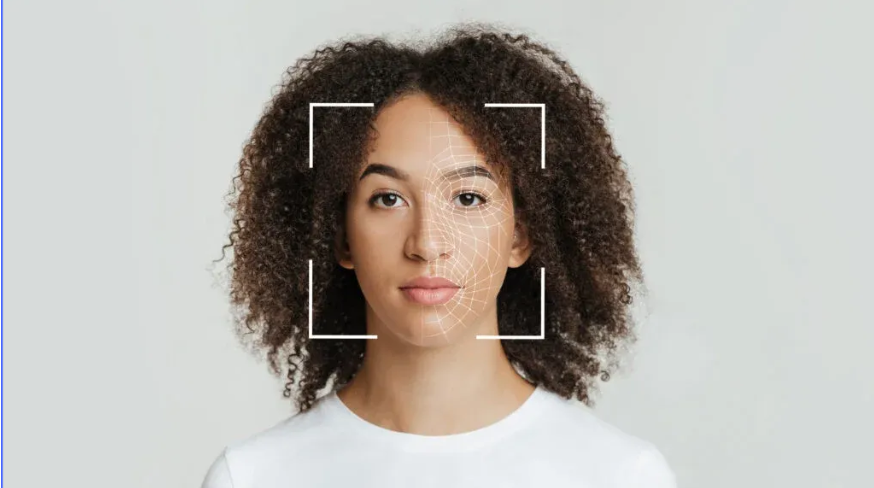
Identity Fraud and the Rise of AI Bots:
Identity fraud has been a persistent threat for individuals and organizations for many years.
However, the emergence of artificial intelligence (AI) bots has brought about new challenges and risks in this realm.
This article delves into the topic of identity fraud and the rise of AI bots, while also examining the concept of bots learning from each other. By understanding these interconnected phenomena, we can gain valuable insights into the implications they have on security, privacy, and society.
Understanding Identity Fraud:
Identity fraud occurs when unauthorized individuals use someone else’s personal information for fraudulent purposes. Traditional methods include document theft, phishing, and hacking. However, advancements in technology have paved the way for new forms of identity fraud, including those facilitated by AI bots.
The Rise of AI Bots:
AI bots have become increasingly prevalent across various sectors, including customer service, social media, and e-commerce. These bots leverage machine learning algorithms to mimic human behaviour, engage in conversations, and perform tasks autonomously.
They can analyze vast amounts of data, generate original content, and adapt their behaviour based on user interactions.
The Risks of AI Bots in Identity Fraud:
AI bots pose unique risks in the realm of identity fraud.
They can scrape personal information from various sources, such as social media platforms and online databases, to create convincing fake profiles. These bots can engage in phishing attempts, manipulate individuals through social engineering techniques, and even automate the process of identity theft. The ability of AI bots to analyze patterns, imitate human speech, and learn from past experiences makes them formidable tools for identity thieves which I have covered in a previous article.
Challenges in Detecting AI Bot Identity Fraud:
Detecting identity fraud perpetrated by AI bots presents significant challenges. Unlike traditional methods, AI bots can adapt their behaviour to evade detection systems.
They can learn from their interactions and modify their tactics accordingly, making it difficult to distinguish them from genuine human interactions. Additionally, the rapid evolution of AI technology outpaces the development of detection methods, rendering traditional security measures less effective.
Bots Learning from Each Other:
In recent years, the concept of bot-to-bot learning has gained attention. This refers to the ability of AI bots to learn from each other’s interactions, experiences, and data. Through collaborative learning, bots can collectively improve their performance, knowledge, and capabilities.
Benefits of Bot-to-Bot Learning:
Bot-to-bot learning offers several benefits in various domains. In customer service, bots can share information and learn from each other, leading to more accurate and efficient responses to user queries.
In cybersecurity, bots can collaborate to identify emerging threats, share security measures, and enhance overall system resilience. Additionally, in fields such as e-commerce and recommendation systems, bot-to-bot learning can lead to more personalized and accurate suggestions, improving user experiences.
Ethical Considerations:
While bot-to-bot learning brings advantages, ethical considerations must be carefully addressed.
Bots learning from each other can propagate biases or engage in unethical behaviors if they learn from flawed or biased data.
It is essential to ensure transparency, accountability, and ethical guidelines in the development and deployment of AI bots to mitigate these risks.
Furthermore, the potential for malicious actors to exploit bot-to-bot learning for nefarious purposes calls for robust security measures and continuous monitoring.
Mitigating the Threat:
To combat identity fraud facilitated by AI bots, a multi-faceted approach is necessary.
Improved security measures, such as two-factor authentication, biometric identification, and advanced encryption, can enhance protection against unauthorized access.
In fact our company Securely™ has recently announced a raft of cutting edge updates to counter this threat to your security.
Additionally, govts, organizations and individuals must remain vigilant in safeguarding their and customers personal information, including being cautious about sharing sensitive data online and regularly monitoring their digital footprint. Implementing robust AI bot detection systems that utilize advanced algorithms, machine learning, and behavioural analysis can help identify and neutralize potential threats.
Conclusion:
As identity fraud continues to pose a significant risk to individuals and organizations, the emergence of AI bots has added a new layer of complexity to the issue. Staying informed about the latest trends and implementing comprehensive security measures are crucial steps towards mitigating the threats posed by identity fraud in the age of AI bots